The 2026 astronomical calendar promises to be truly incredible: the usual 12 full moons will become 13, giving astronomy enthusiasts and the most curious the unique spectacle of the Blue Moon, accompanied by an unmissable series of Supermoons and spectacular eclipses that will light up the sky throughout the year. What to expect.
The year will begin with an evocative supermoon in January (Super Wolf Moon – January 3) and will end with a truly exceptional event: the most impressive and brilliant supermoon in recent years, scheduled for Christmas Eve. Among the most eagerly awaited events are a Blue Moon in May, two lunar eclipses, and numerous full moons, each accompanied by traditional names inspired by the seasons and rhythms of nature.
2026 lunar calendar: all the dates of the 13 full moons
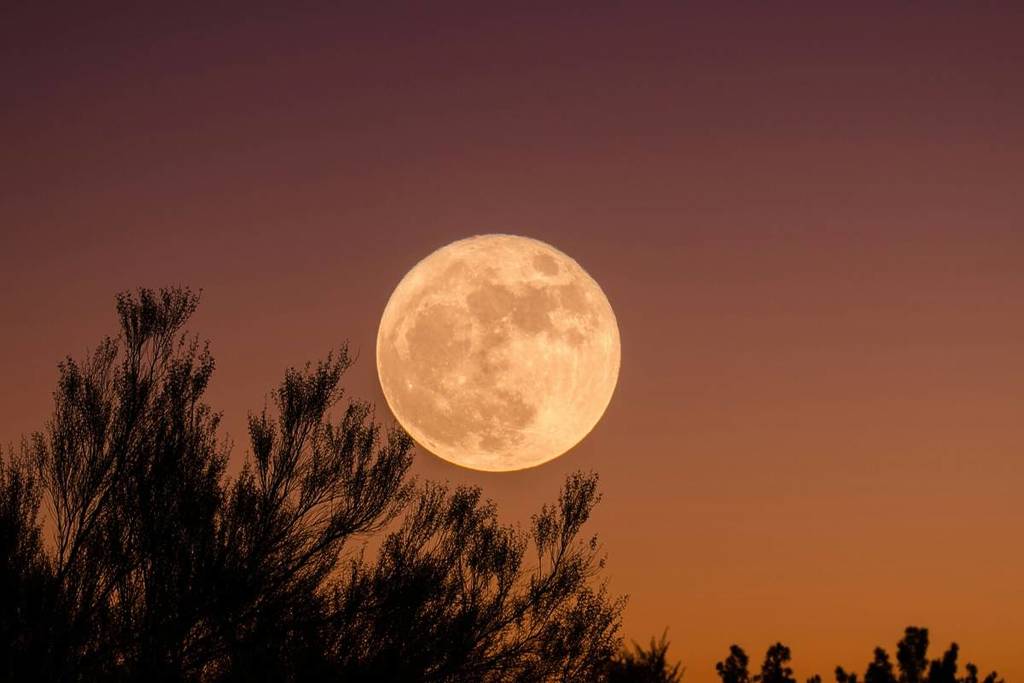 Photo: Unsplash / Ganapathy Kumar – generic image
The dates to remember are as follows:
- Wolf Moon – January 3, 2026 (Supermoon) – a particularly large and bright full moon.
- Snow Moon – February 1, 2026: this moon takes its name from the coldest period of winter, when snowfall is most frequent and temperatures are lowest.
- Worm Moon – March 3, 2026 : originally symbolized the end of winter.
- Pink Moon – April 1, 2026: the first full moon of spring does not owe its name to the color of the satellite, but to the appearance of the first wild plants in bloom, signaling the arrival of spring.
- Flower Moon – May 1, 2026: this moon marks the peak of spring, when nature bursts into bloom. This period also sets the stage for an unusual phenomenon: the appearance of a second full moon in the same month.
- Blue Moon – May 31, 2026: this is the second full moon in May, bringing the number of full moons to 13 instead of the usual 12. A Blue Moon is an event that occurs when two full moons fall in the same calendar month.
- Strawberry Moon – June 29, 2026: this is the first full moon of summer. Traditionally associated with the strawberry harvest season.
- Deer Moon – July 29, 2026: it lights up the summer nights of July and takes its name from the time of year when male deer begin to regrow their antlers.
- Sturgeon Moon – August 28, 2026: this event will be accompanied by a particularly marked partial lunar eclipse, during which a large portion of the lunar disk will be enveloped by the Earth’s shadow. It is one of the most fascinating astronomical spectacles of 2026.
- Harvest Moon – September 26, 2026: This is the first full moon of autumn, traditionally linked to the agricultural activities of the past. It will rise a few days after the equinox and will be visible in the evening sky alongside Saturn.
- Hunter’s Moon – October 26, 2026: the second full moon of autumn. In the past, it provided natural light for evening activities after the harvest, illuminating the long autumn nights.
- Beaver Moon – November 24, 2026: this will be a supermoon. Bright and easily observable at its rise, it owes its name to the period when beavers prepare for the cold season by building dams.
- Cold Moon – December 24, 2026 : We end the year of full moons with a supermoon on Christmas Eve. The supermoon on Christmas Eve will be the largest and brightest since 2019, as it will coincide with the full moon closest to Earth of the entire year.
Supermoons to keep in mind
In summary, in 2026 we will have 13 full moons and 3 supermoons. Beautiful, large, and bright on these dates: January 3, November 24, and Christmas Eve. A supermoon occurs when the full moon phase occurs near the point in the moon’s orbit closest to Earth. In these circumstances, our satellite appears slightly larger and brighter, especially when it rises on the horizon. The Cold Moon in December promises to be the most impressive astronomical event of the year and one of the most significant supermoons of the entire decade.
The eclipse of the century in 2027: a unique spectacle lasting over 6 minutes.
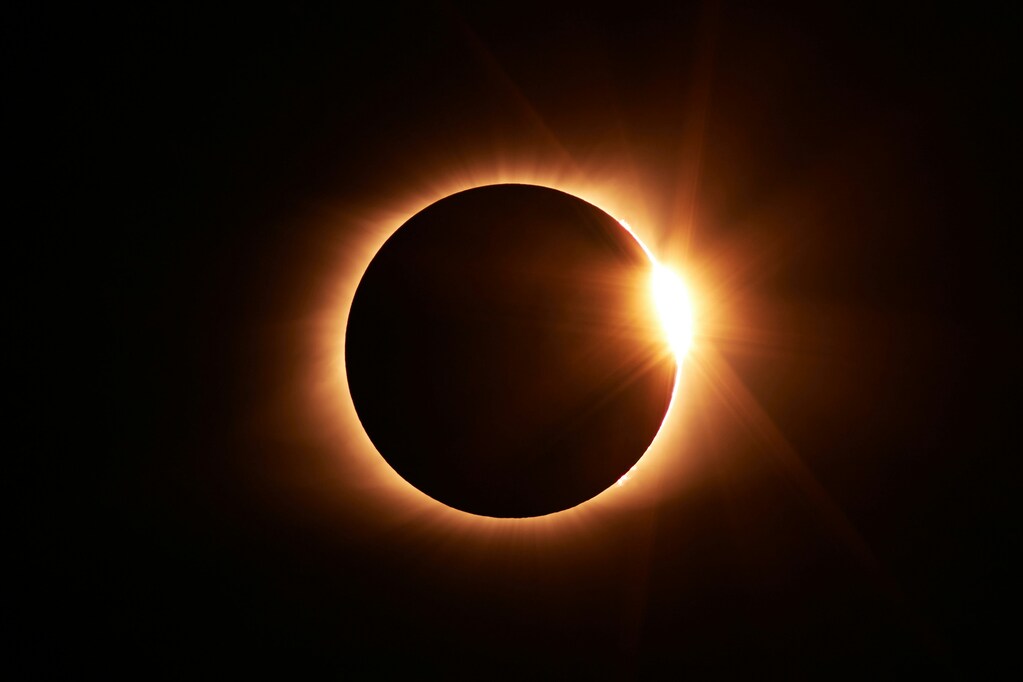 Photo: Unsplash / Jongsun Lee
For those who like to look even further ahead, August 2, 2027, will see a very rare astronomical event:a total solar eclipse lasting a record 6 minutes and 23 seconds. It will be one of the longest ever observed, and a similar event will not occur again until 2114.