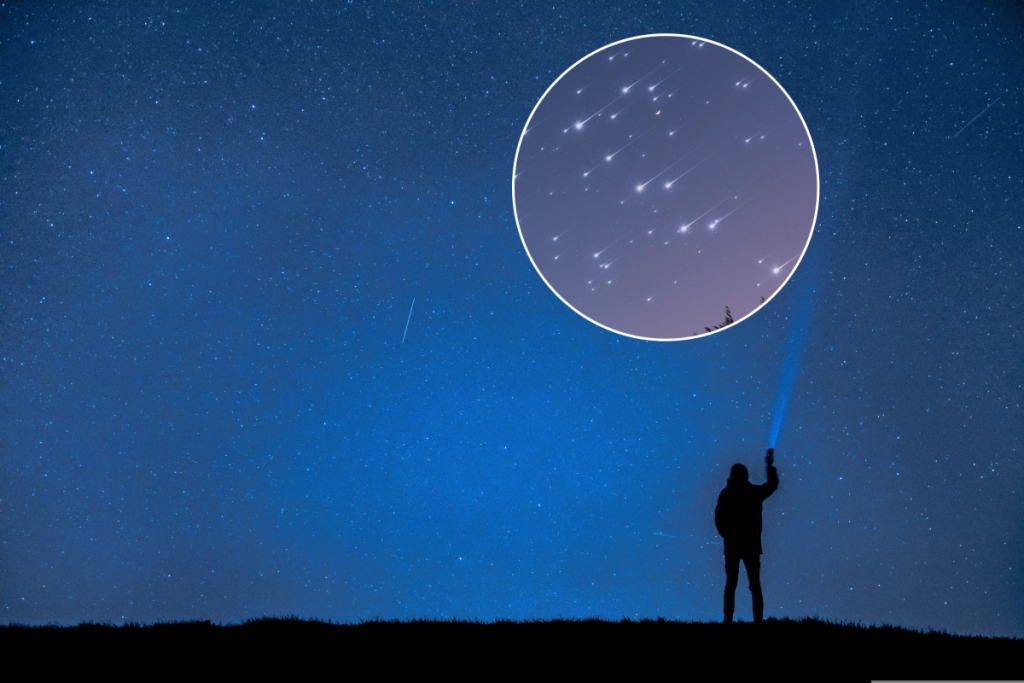

Fall brings us one of the most fascinating astronomical events: the Orionid meteor shower, active through November 7. As noted in a recent BBC Weather article , the best time for viewing will be the expected peak on the night of October 21–22.
The Influence of Halley’s Comet
The Orionids are nothing more than the debris left behind by the famous Halley’s Comet, which orbits the Sun approximately every 76 years (its last pass was in 1986; the next will be in 2061). When Earth passes through this dust trail, the fragments enter our atmosphere at breakneck speeds—about 66 kilometers per second (nearly 41 miles per second, according to data reported by the BBC)—igniting and creating those spectacular streaks of light we call shooting stars, known to linger in the sky for up to a few seconds.
In May, the same comet gives rise to another meteor shower, the Eta Aquarids.
Tips for Viewing (designed for Milan residents)
Under perfect sky conditions, you could count between 10 and 20 meteors per hour during the peak. However, for those living in Milan and the surrounding area, the conditions require a few extra precautions.
Forget about watching from your city balcony or from Sempione Park. The Po Valley is one of the areas with the highest levels of light pollution in Europe. To have a real chance of seeing the Orionids, you need to get away from it all. The Oltrepò Pavese, the valleys of the Lecco and Bergamo Pre-Alps, or the most isolated and dark areas of the Ticino Park are the most accessible destinations from Milan for finding the right level of darkness.
As BBC Weather points out, there’s an additional challenge this year. The Moon will be approaching its full phase (scheduled for October 26) right around the time of the peak. The bright moonlight will tend to obscure the fainter meteors; sightings will therefore be limited to the brightest “bolides,” especially if you’re in a very dark location.
No telescopes or binoculars are needed; the naked eye and a wide-open view are the best tools. The meteors appear to radiate from the constellation Orion, but they’ll streak across the entire sky. Remember to give your eyes about 15–20 minutes to fully adjust to the dark.