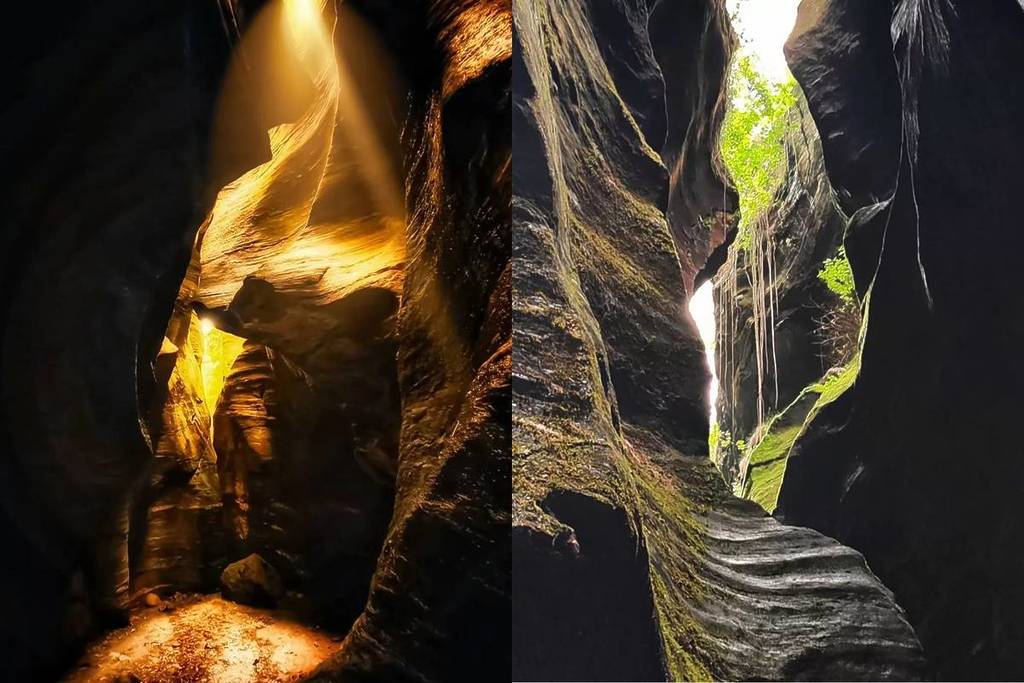

When people say that Italy has it all, they really mean it all: even a small Grand Canyon. Few people know about it, but about two and a half hours by car from Milan lie deep gorges carved into the rockby water erosion, formed near ancient streams or waterfalls that once flowed at the foot of glaciers. Grayish in color, they resemble narrow, winding canyons, with smooth rock walls that, in some places, are so close together that you can’t see the sky from the bottom.
How did Northern Italy’s Little Grand Canyon come to be?
During the last ice age, which ended about 12,000 years ago, the Antigorio Valley was occupied by the great Toce Glacier. Numerous streams flowed at its base, slowly carving the rock to form deep gorges and narrow valleys, often with a winding course. When the glacier retreated, many of those waterways disappeared or changed course, exposing the Uriezzo Gorges. Today, no rivers flow through them, so it is possible to comfortably cross them on foot, following a trail surrounded by nature.
How to visit them and travel times
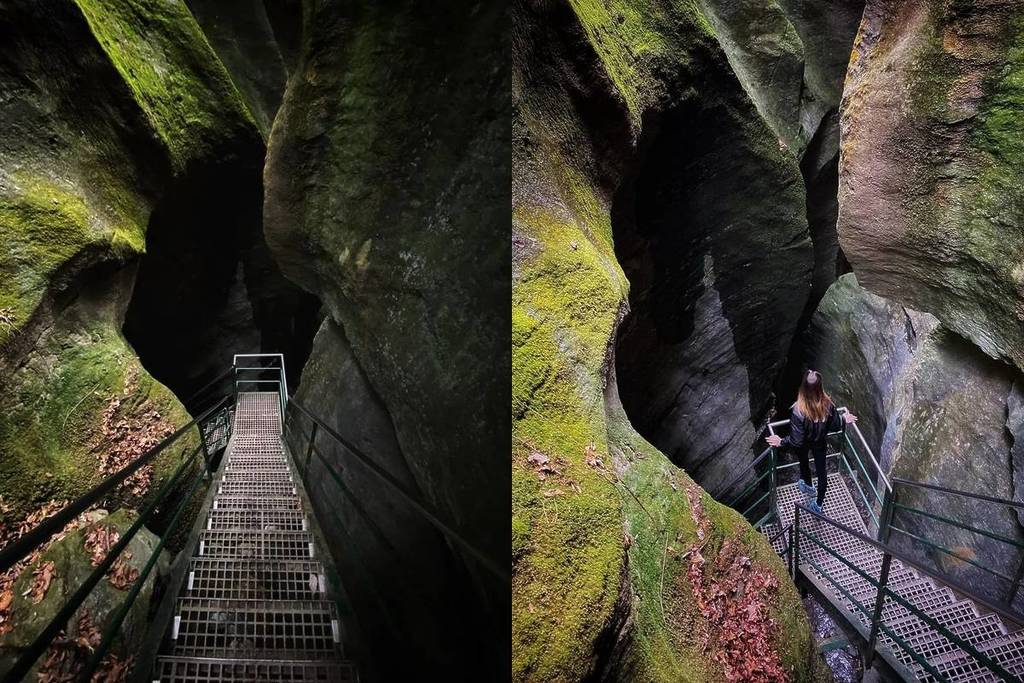
The Uriezzo Gorges are located in the Antigorio Valley, in Piedmont, about two and a half hours by car from Milan. An ideal destination for a day trip for nature lovers, they can be explored on foot and represent one of the most scenic and unique hiking trails in Italy. The trail is about 6.5 km long and not too difficult, though not recommended for small children. There are specific guides that take you step by step through this adventure among gorges and rocks. Admission to this natural wonder is completely free.
There are three canyons to visit: the West Gorge, the least distinctive and best suited for more experienced visitors; the South Gorge, considered the most spectacular of the three, about 200 meters long and up to 30 meters deep; and finally the Northeast Gorge, which features some particularly narrow and striking sections.