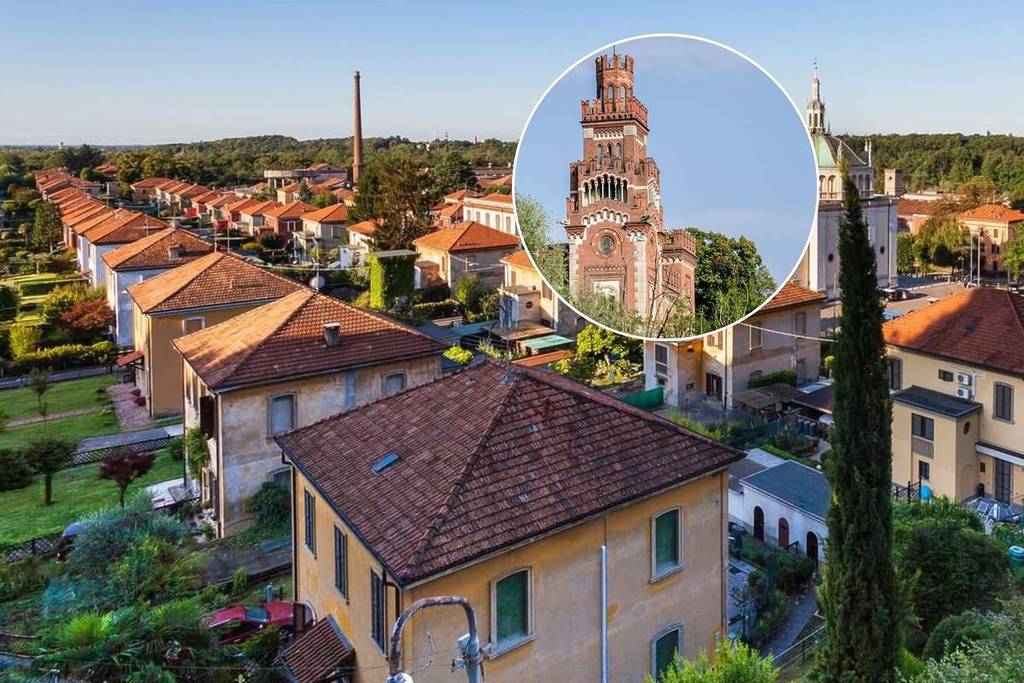

Working and living just a stone’s throw from the factory is a situation many people find themselves in. There is, however, a village that was built as housing for the workers of a single company, and which today, thanks to its extraordinary preservation, is a UNESCO World Heritage Site. Located less than an hour from Milan, this truly unique workers’ village is one of the few remaining in Europe.
A symbol of industrial control, the idea came from an entrepreneur who tied the lives of hundreds of workers to his factory. Behind it lies the desire to create a sort of “industrial utopia”—a place where the boss controls everything about the employee, but in exchange offers housing, schools, and other social services… Would you have agreed to live here?
How did the village come to be?
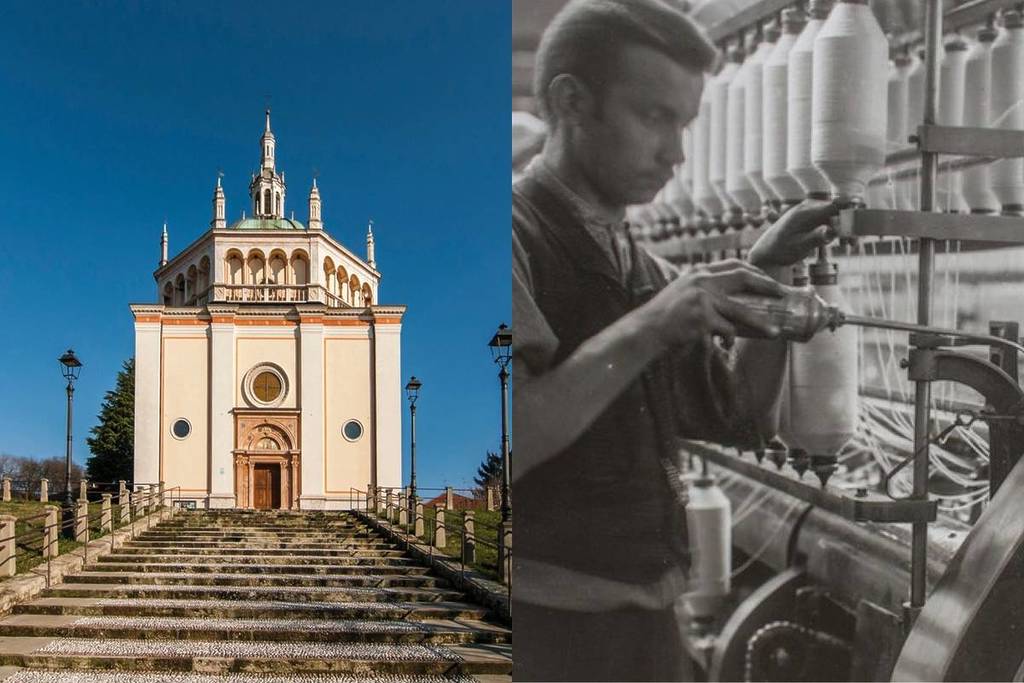
The village took shape between 1876 and 1878 on the initiative of textile industrialist Cristoforo Benigno Crespi, who chose the area to harness the hydraulic power of two rivers. Crespi purchased approximately 80–85 hectares of land from neighboring municipalities to build the cotton mill and the first houses for the workers. Urban and industrial development continued into the early decades of the 20th century, particularly under Crespi’s son, who drew inspiration from German and English industrial villages.
Between the factory and the homes— humble, identical row houses with small gardens—there is a clear division, as if to separate work from private life. Of course, the village also includes a school, a hotel, the managers’ homes, and the church, dedicated to the Most Holy Name of Mary. This church was built between 1891 and 1893, modeled after the Sanctuary of Santa Maria di Piazza in Busto Arsizio, the entrepreneur’s hometown.
The castle: a symbol of control
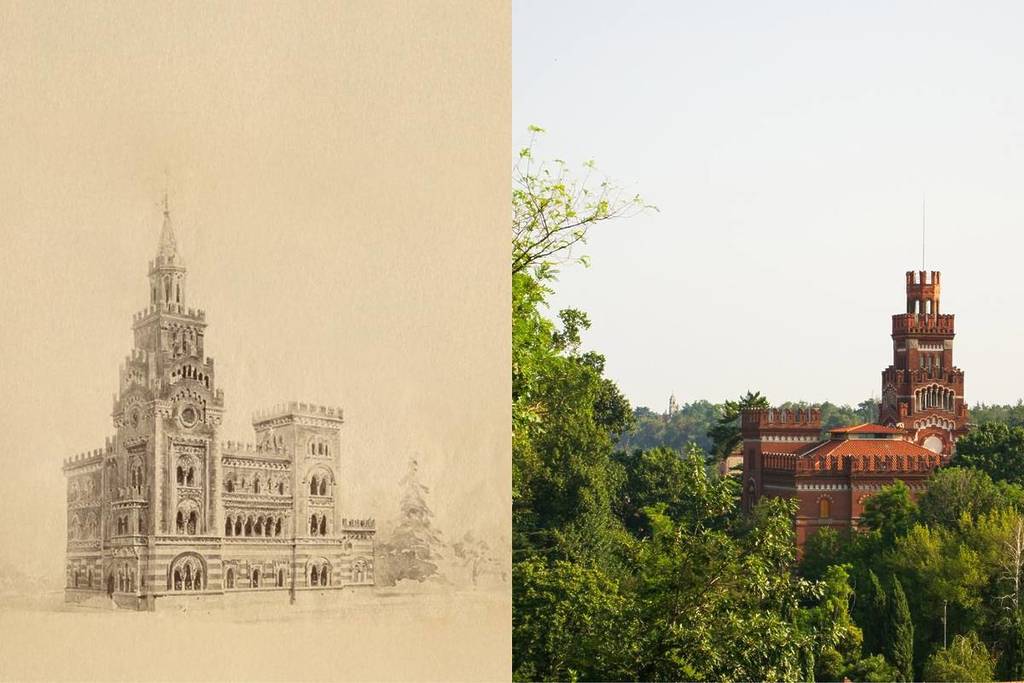
This village also has a castle, though it was never inhabited by kings or queens. In fact, the castle of Crespi d’Adda was the residence of the Crespi family and symbolizes their industrial paternalism. The castle and the rest of the village can be visited through guided tours that will take participants on a journey to discover the history and dynamics of this truly unique place.
Reaching Crespi d’Adda from Milan is quick and easy, making it ideal for a half-day trip. The most direct route is by car, taking the A4 toward Bergamo for about 35–40 minutes. Alternatively, you can take the M1 metro to Lampugnano and the Z301 bus toward Trezzo sull’Adda (about 41 minutes), getting off just a short walk from the village entrance. For those who love cycling, Crespi d’Adda is reachable in 2–3 hours along the Naviglio Martesana.