
There is a ranking that every year challenges everything we think we know about life in our cities.The Happy City Index 2026 —now in its sixth edition and officially presented to the British Parliament in London —analyzed 251 cities around the world to answer a simple yet powerful question: where is life truly good?
The results, based on six key dimensions of urban well-being, hold more than a few surprises for Italy, and for those living in Milan in particular, one figure stands out above the rest: the city has dropped 55 places in just one year.
What is the Happy City Index: the global ranking of urban quality of life
The Happy City Index is not just another ranking based on subjective perceptions or satisfaction surveys. It is a scientific and systematic study developedby the Institute for Quality of Life that evaluates urban performance through 64 precise indicators, grouped into six categories: Citizens, Governance, Environment, Economy, Health, and Mobility.
The stated goal is not to crown a single “best city in the world,” but to identify urban centers capable of balancing quality of life, sustainability, good governance, and resilience over time.
Among the parameters evaluated are measurable and concrete elements: from housing affordability to recycling rates, from voter turnout to the share of sustainable mobility, from healthcare coverage to the quality of green spaces.
The happiest Italian cities in 2026: the complete ranking
No Italian city managed to make it into the so-called Gold tier, reserved for the top 50 positions. The news, in itself, is not new, but this year’s numbers tell a more nuanced story and, in some cases, a brutally clear one.
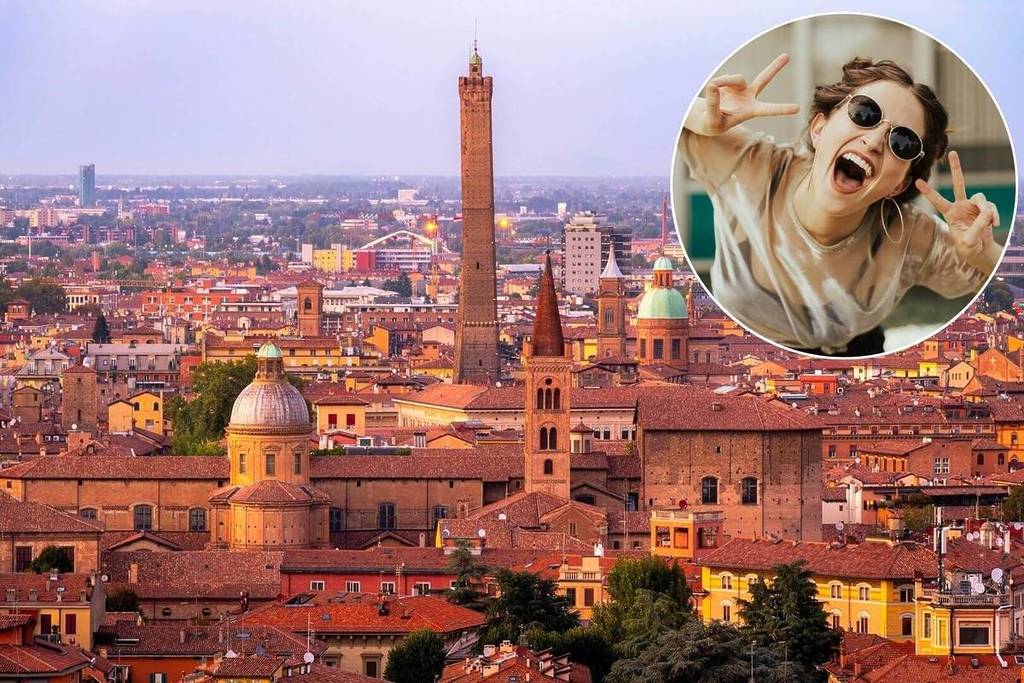
The highest-ranked Italian city is Bologna, in 73rd place with 6,258 points, a result that rewards the Emilian city for its consistency across multiple fronts: governance, accessibility of services, and perceived livability. Parma follows in 77th place with 6,232 points. Rounding out the Italian podium is Milan,in 80th place with 6,183 points.
Milan Plummets 55 Places: What Went Wrong?
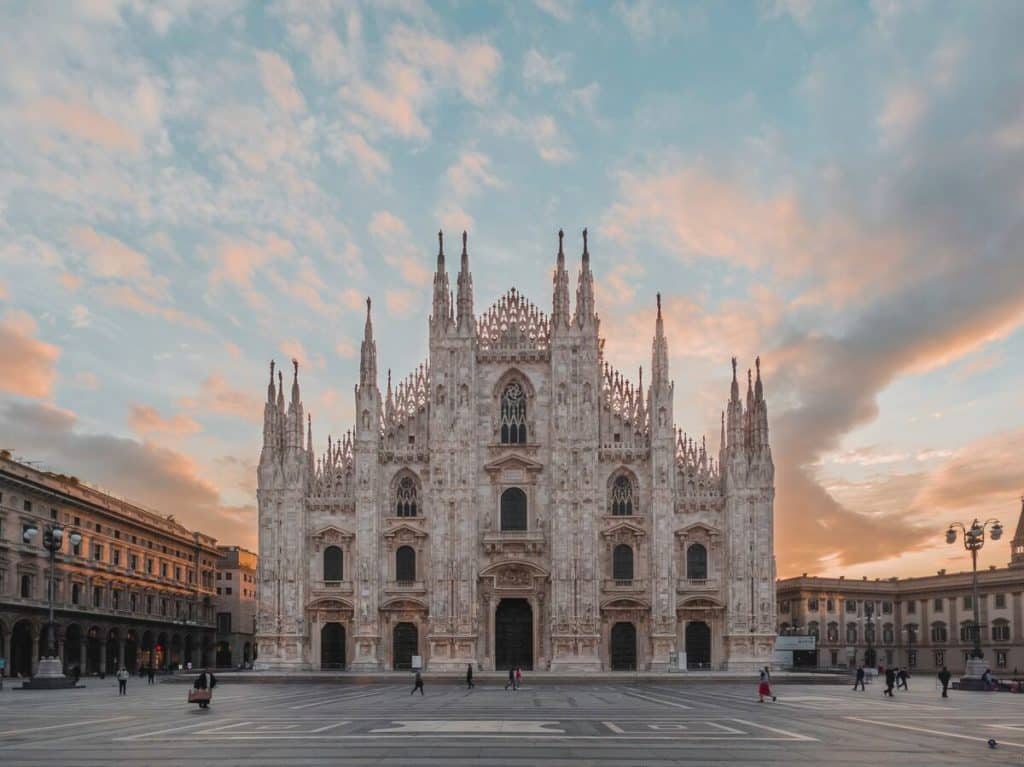
The data on Milan is the most striking, and it’s worth pausing to consider it. In 2025, Milan ranked 25th in the world, a position of significant international standing. In 2026, it slipsto 80th, losing 55 positions in just one year. How is this possible?
The answer lies in the numbers: strong administrative performance—which the index continues to recognize in Milan—no longer compensates for shortcomings in other areas. Air quality is deteriorating, in line with a widespread trend in major cities across Northern Italy. The ratio of income to rent costs, one of the indicators with the greatest weight in the methodology, severely penalizes a city where finding affordable housing has become a structural challenge.
Added to this is public transportation, which, although recovering after the pandemic, has not yet reached the levels of leading European cities.
Finally, an uncomfortable fact: the perception of nighttime safety in Milan is among the lowest in the Italian sample, with less than 30% of residents saying they feel safe walking alone at night.
Which are the happiest cities in the world in 2026
Who tops the Happy City Index 2026? The podium comes as no surprise:
🥇 Copenhagen (Denmark) — 6,954 points.
🥈 Helsinki (Finland) — 6,919 points.
🥉 Geneva (Switzerland) — 6,882 points.
Rounding out the top 10: Uppsala (Sweden, 4th), Tokyo (Japan, 5th), Trondheim (Norway, 6th), Bern (Switzerland, 7th), Malmö (Sweden, 8th), Munich (Germany, 9th), and Aarhus (Denmark, 10th).
Three geographic regions dominate the top of the rankings: Scandinavia, Switzerland, and Japan—distant in culture but converging on one essential point: the ability to build cities that actually work for those who live there every day.