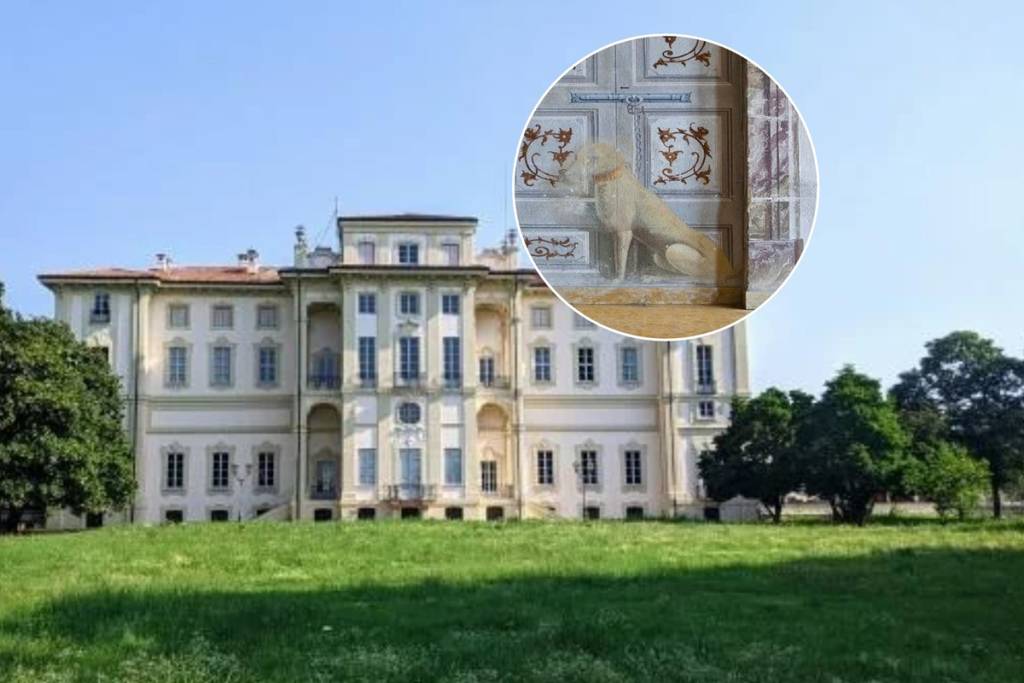

Beneath the layers of paint applied when it served as a psychiatric hospital, Villa Alari in Cernusco sul Naviglio still preserves its 18th-century decorations. Restorers have been working for some time to bring them back to light: original frescoes and stucco work are once again becoming visible in the aristocratic residence on Via Cavour. Restoration work is still underway, and the rooms are not yet open to the public.
The Hidden Frescoes
The work is being carried out under the supervision of the Superintendency and currently involves two rooms on the mezzanine level: the Alcove Room and the Study with Alcove. The rediscovered frescoes are part of the many others found throughout the villa, as was customary among wealthy Lombard families.
The frescoes and moldings depict mythological and allegorical scenes, themes that were very common in 18th-century Milanese summer residences. The artists who worked on the frescoes, completed around 1725, include Giovan Angelo Borroni, Francesco Fabbrica, Pietro Maggi, Salvatore Bianchi, Giovanni Antonio Cucchi, and, perhaps, Francesco Bianchi.
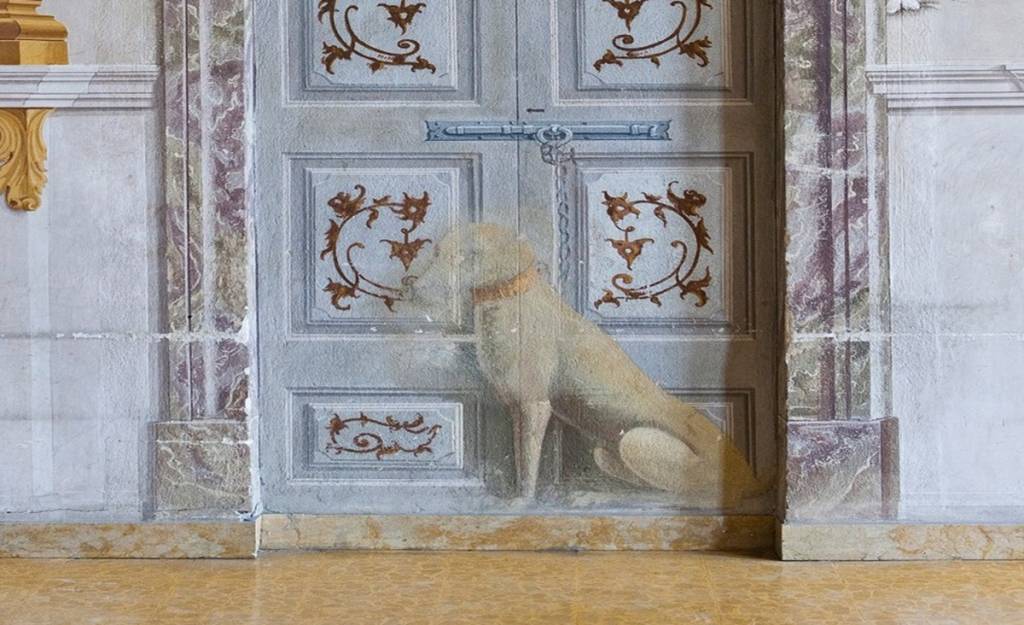
Why were the frescoes hidden? In the 20th century, the villa became a psychiatric hospital. During that period, the walls were covered with thick layers of paint, applied for health and hygiene reasons. That coating concealed the decorations from view but also protected them: for years, restorers have been uncovering them layer by layer.
The stated goal is to reopen the rooms to the public and to work toward a UNESCO World Heritage Site nomination for this villa and all the villas in the Lombardy countryside.
The Rediscovered Panels
This summer, Villa Alari was the focus of another discovery: at the Soares dos Reis National Museum in Porto, four painted panels by Angelo Maria Crivelli—known as “il Crivellone”—were found. According to documents analyzed by scholars, these panels were originally located in the Billiard Room of the villa in Cernusco sul Naviglio.
This is a hypothesis currently being evaluated by experts, but one that could represent a new piece in the history of Villa Alari.
What Happened to Villa Alari?
Count Giacinto Alari, General Commissioner of Munitions for the State of Milan, chose the countryside around Cernusco sul Naviglio as his summer retreat, to escape the sweltering heat of Milan.
He commissioned architect Giovanni Ruggeri to build a “pleasure villa” on his land, which was completed between 1719 and 1725. Upon his death, the villa passed to his nephew Francesco, since his only surviving son had chosen a life in the clergy.
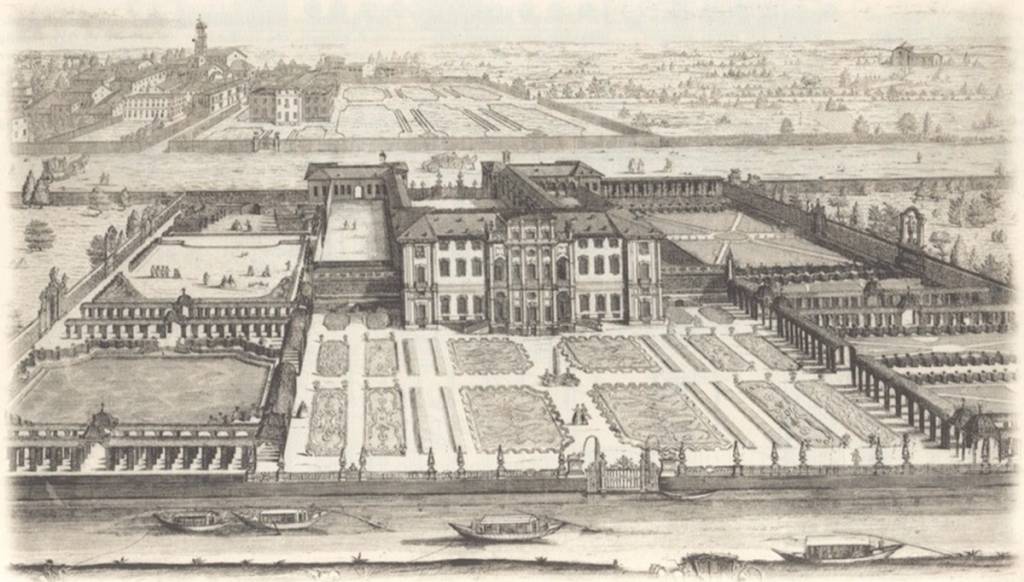
The beauty and refinement of Villa Alari, combined with the wealth accumulated by the family, made this place a true landmark for the nobility of the time, so much so that Archduke Ferdinand of Habsburg, son of Empress Maria Theresa of Austria (at that time, Lombardy was under Austrian rule), rented it as a summer residence for four years, until the Villa Reale in Monza was ready, where he moved with his court and his wife, Maria Beatrice d’Este.
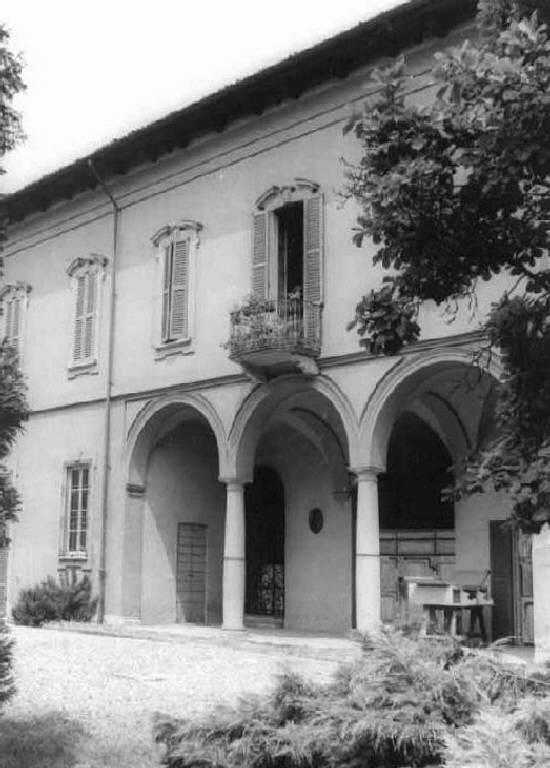
With the death of the last Count Alari in 1831, the villa passed to the Visconti di Saliceto family, who owned it until 1944. World War II was raging, and Countess Valentina Visconti di Saliceto donated the villa to the Fatebenefratelli Hospital in Milan, which turned it into a mental hospital and later a nursing home.
Since 2007, the villa has been under municipal ownership, with the construction of buildings and offices in the courtyards and a gradual state of neglect, which led to damage and moisture infiltration. In recent years, however, interest in Villa Alari has been reignited, with the start of restoration work and the opening of the villa for guided tours and activities organized with local associations.