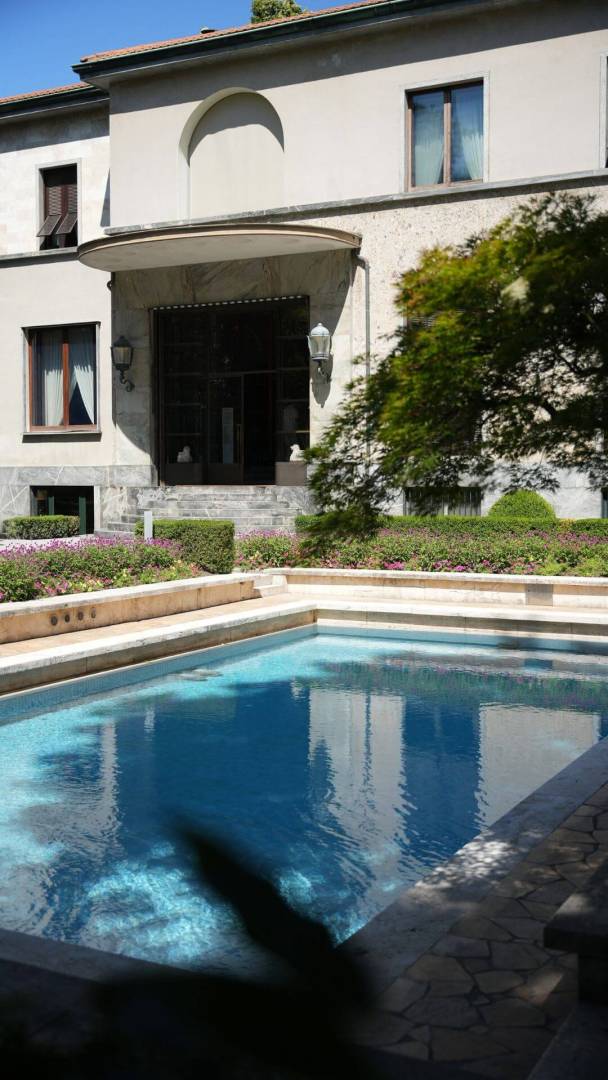

In Milan, trams are not just a means of transportation, but true witnesses to the city’s history. The yellow and colorful “Carrelli” still operate today on many routes, attracting onlookers and tourists with their wooden interiors and Art Nouveau-style lamps. There are even some where you can dine while being taken on a tour of the city!
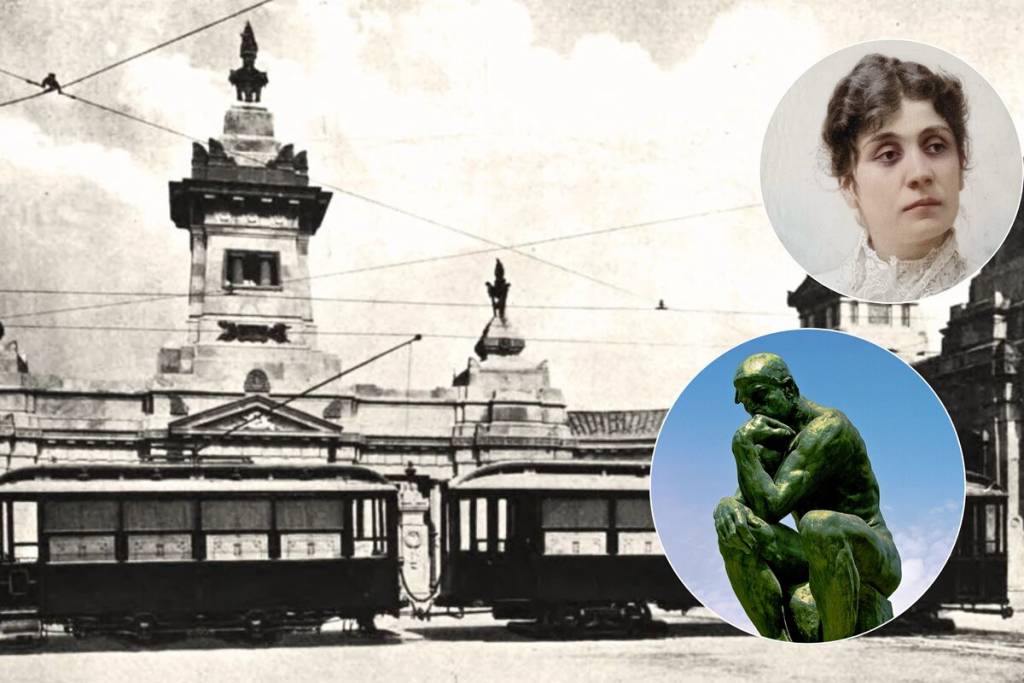
Among the many types of trams that have run through Milan, one in particular caught the eye, despite having been in service for just over 30 years. The Milanese had nicknamed it “la Gioconda,” a sarcastic reference to its gloomy appearance. This all-black tram was, in fact, reserved solely for the deceased on a one-way trip to the “new” Cimitero Maggiore.
The new Musocco Cemetery
Toward the end of the 19th century, Milan was growing steadily, and even the space reserved for the deceased at the Monumental Cemetery was running out.
Thus came the idea to design a new cemetery outside Milan, in the hamlet of Musocco, where the Bosco della Merlata stood—a forest famous for being frequented by bandits. And so, in 1895, the Cimitero Maggiore was established, still known today as “Musocco” by the Milanese.
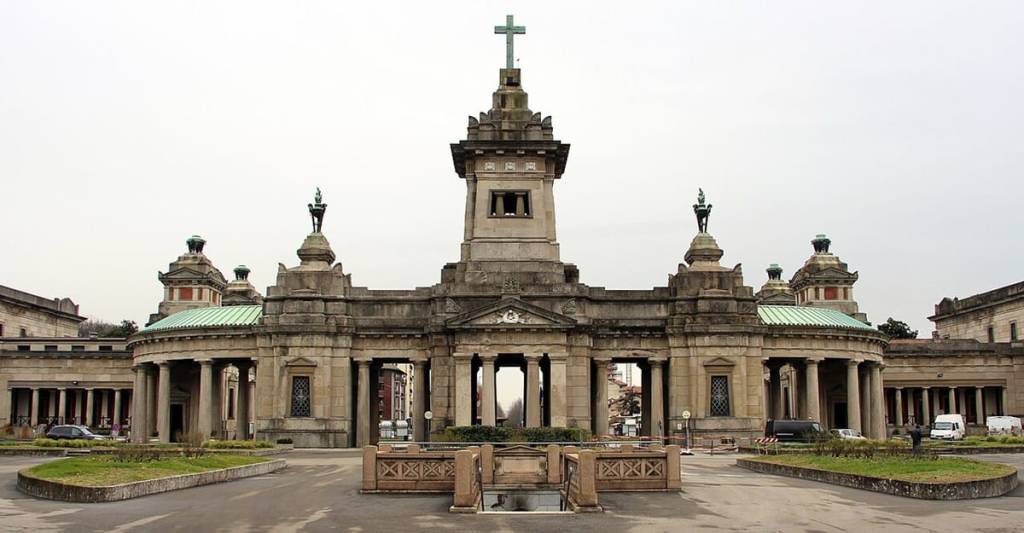
At the time of its inauguration, the Cimitero Maggiore was in the open countryside, far from the city. To reach it, one had to walk along a long, bumpy road through the countryside that led from Porta Volta outside the walls of Milan.
And so, to at least facilitate the transport of the deceased from Milan to the new cemetery, the Milan-Musocco line was built, featuring special cars manufactured by Carminati & Toselli exclusively for transporting coffins, wreaths, and funeral home employees.
The Gioconda’s Route
How did “la Gioconda” work? The coffins arrived from parishes scattered throughout the city where the funeral had taken place. From a special shelter near Via Bramante, the tram would depart with its “cargo,” and a few close relatives of the deceased could also take a seat. On average, two funerals departed from the shelter every hour.
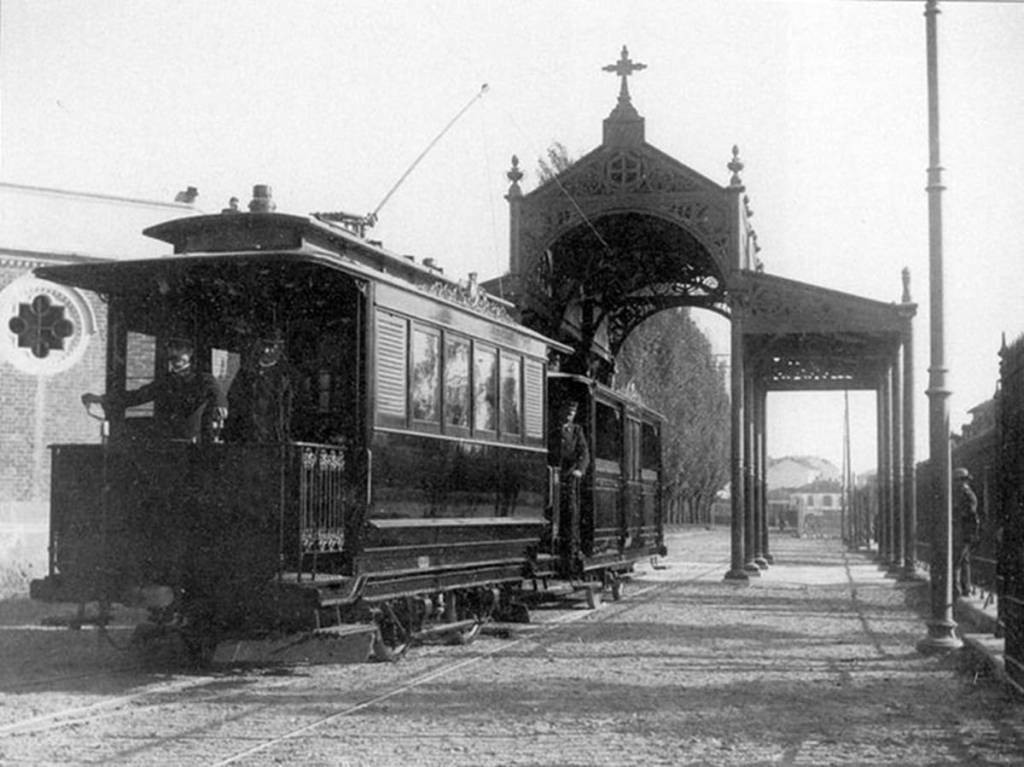
The Bramante Tram Stop, however, struggled to serve everyone, especially residents of the southernmost areas. In 1907, the Porta Romana Funeral Tram Stop was also built in the elegant Art Nouveau style typical of the era, roughly where Piazza Medaglie D’Oro is today.
From here, several funeral trams could depart more easily; they would stop on Via Bramante for those being buried at the Monumental Cemetery, then continue on to Musocco.
Eleonora Duse in Milan
During her long stays in Milan, the actress Eleonora Duse—one of the most famous and beloved of her time, nicknamed “La Divina” by her great love Gabriele D’Annunzio—was fascinated by Milan’s tram system, including the rather curious “Gioconda.”
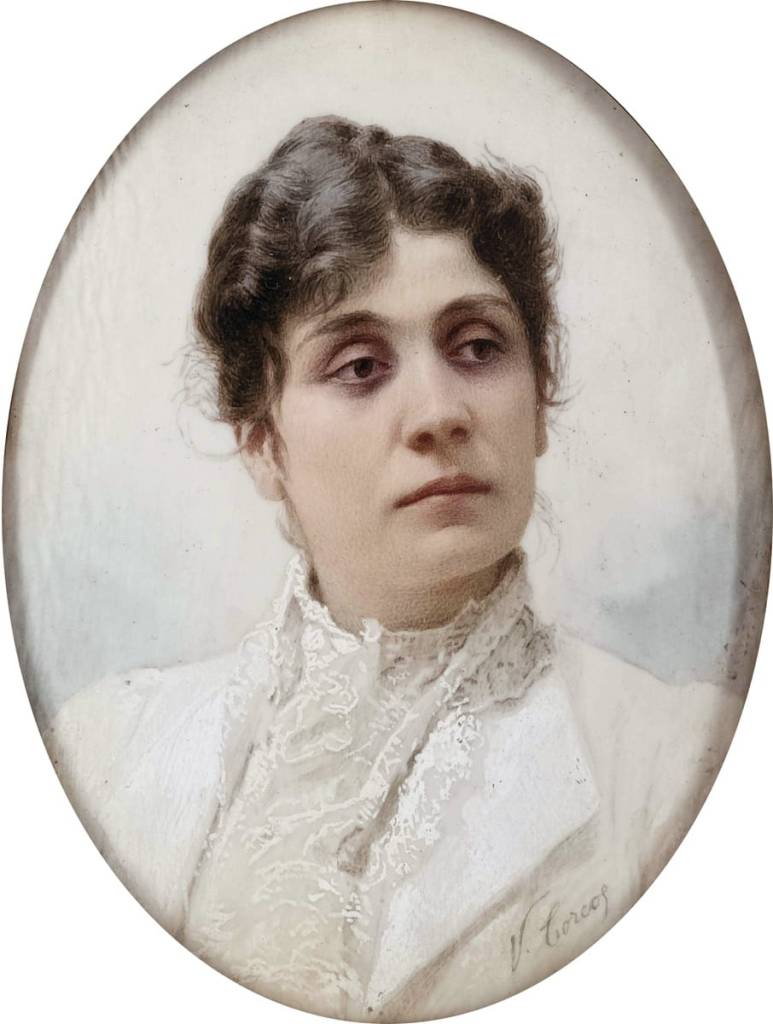
“Milan’s trams are yellow, noisy, and cheerful—except for one, which is black and serious,” she once told her friend Auguste Rodin—the Parisian sculptor behind works such as *The Thinker* and *The Kiss*—upon returning to her beloved Paris. Although Rodin never visited Milan, he, too, was deeply impressed by this curious public transportation system.
What remains today of the Gioconda’s journey?
La Gioconda was taken out of service around 1928, much to the dismay of the Milanese, who had grown fond of the somber hearse with tinted windows that occasionally made its way through the city. The streets were beginning to be paved, and road transport was becoming more widespread—even for hearses.
What remains today of this curious icon of Milan’s public transportation?
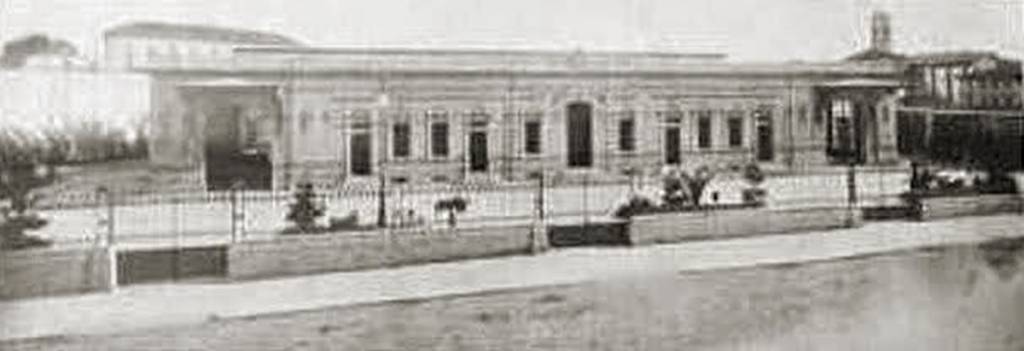
The Bramante tram shelter was immediately decommissioned, and today there’s no trace of it, while the tracks were either torn up or repurposed for regular passenger trams.
The Porta Romana Funeral Home, on the other hand, met a very curious fate. Leaning against the Spanish Walls, it first became a social club for ATM employees, and in recent years it has been transformed into the entrance to the Porta Romana Thermal Baths, retaining its Art Nouveau façade, part of the exterior gates, and some of the interior features.